

Deconstructing Deception:
"Trust, Truth & the Architecture of Lies"


CUTTING THROUGH THE SIGNAL:

"There are three sides to every story: yours, mine... and the truth."
But what happens when the truth is buried under bias, fear, and misdirection? How do you discern truth from a well-constructed lie?
🧠 Section 1: "The Blueprint of a Lie"
A good lie doesn’t scream falsehood. It whispers logic. It mimics structure.
In fact, the best lies are built like bridges:
Foundation: fear of consequence
Beams: emotional manipulation
Supports: partial truths
Finish: a polished delivery
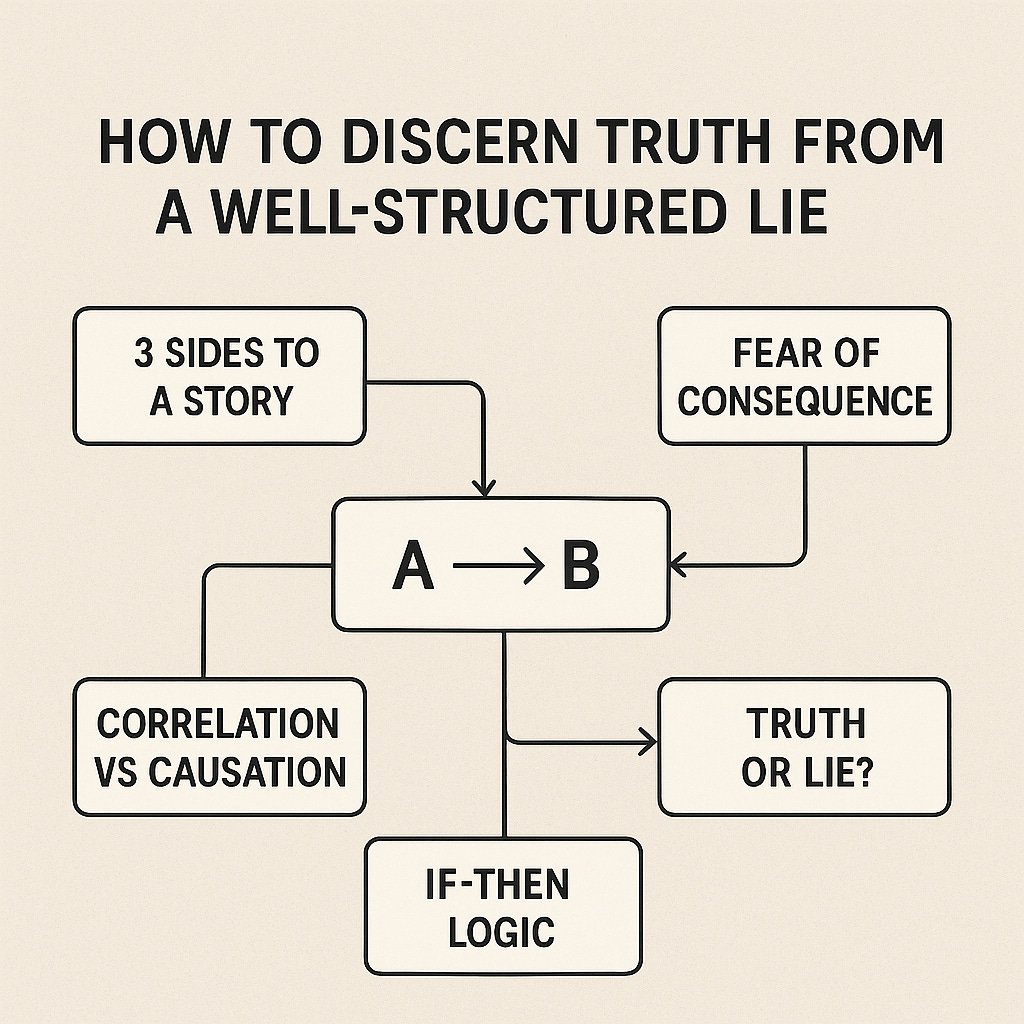
Most lies use if-then logic. “If I say this, they’ll believe that.” A implies B. Structure mimics truth.
🔍 Section 2: "Truth vs Lie: The Protocols"
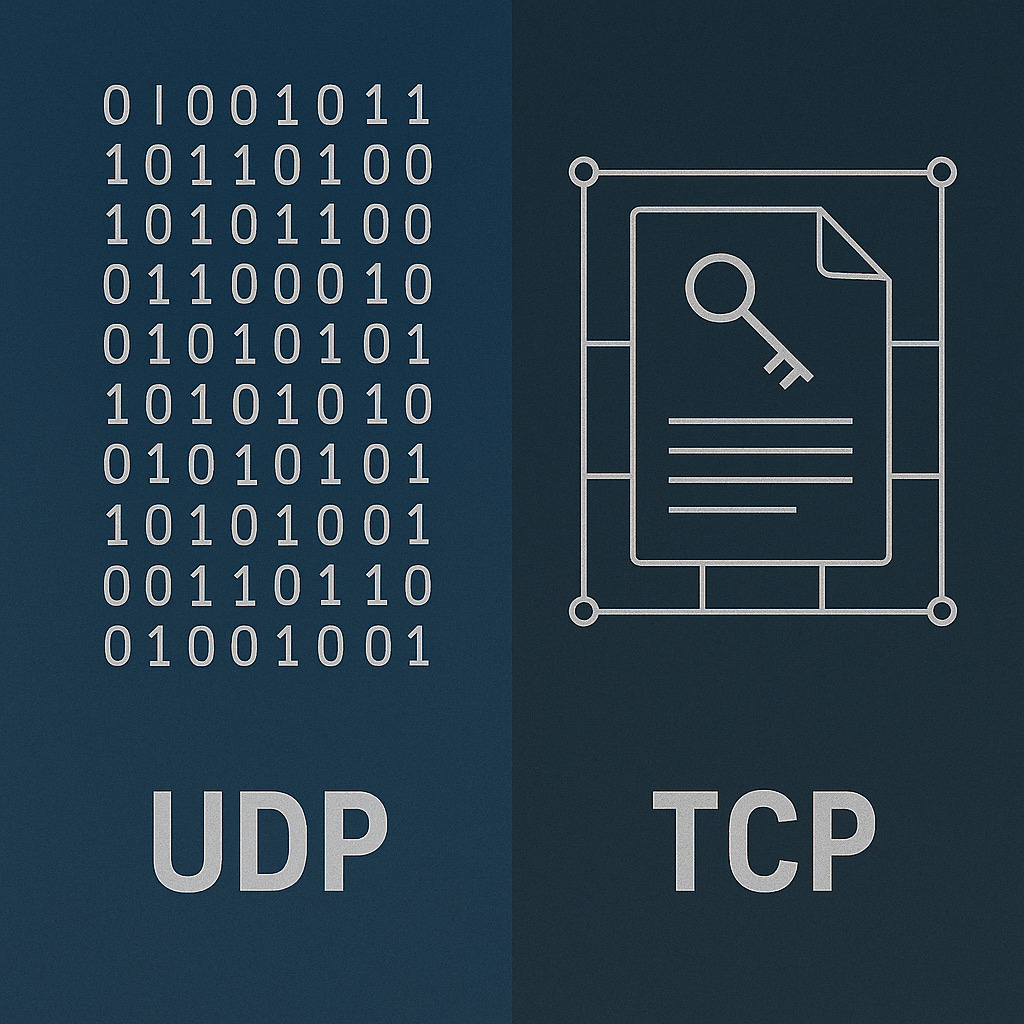
Here’s a metaphor you’ll remember: Truth is like UDP – simple, open, no packaging. Lies are TCP – full of headers, wrappers, structure.
The truth arrives naked. The lie? Dressed in armor, carrying just enough truth in the middle to slip past your radar.
REMEMBER:
A good liar opens with bait, hides a small truth inside, then wraps the whole thing in confidence.
“Dazzle 'em with brilliance, baffle 'em with bullshit.”
🧪 Section 3: "How to Analyze the Story"
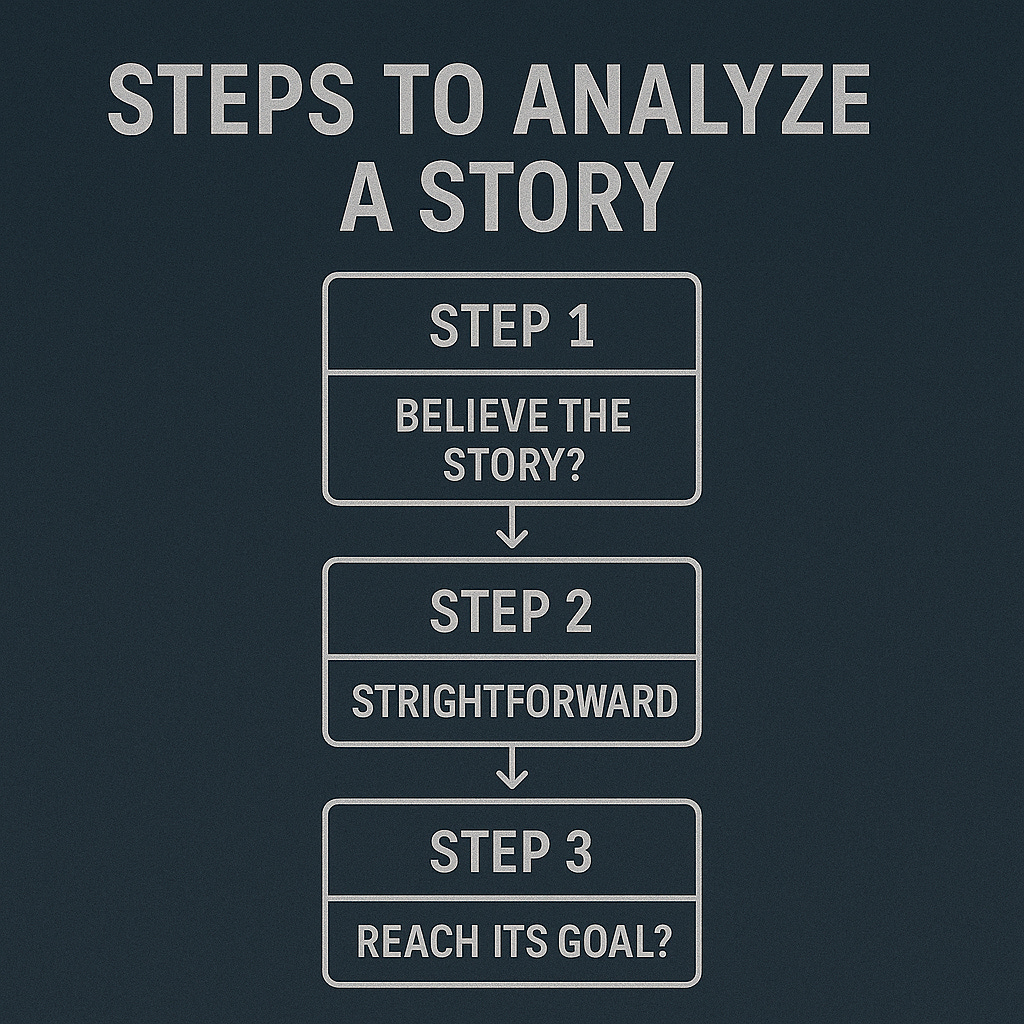
Here's my three-step protocol:
1. Do you believe the story instinctively? If yes – pause. The best lies feel natural at first.
2. Is it structurally simple or are you jumping hoops? Truth is often direct. Lies require mental gymnastics.
3. Did it reach its goal smoothly, or did it demand belief? If it pushes emotion or guilt, that’s a red flag.
🤝 Section 4: "Trust Then Verify: My Method"
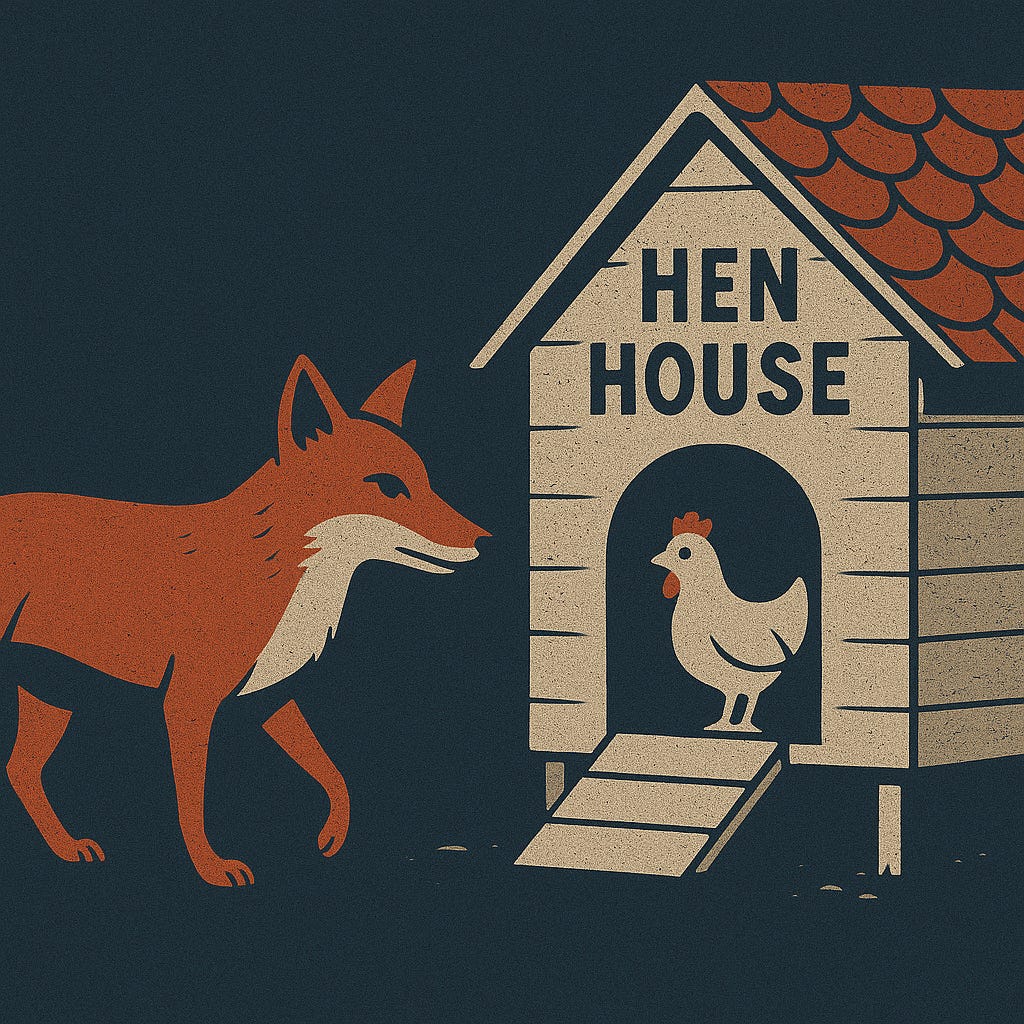
Most people live by “verify, then trust.” But I do the opposite.
I give 100% trust upfront. You don’t get filtered. You get the open gate.
Why? Because lies reveal themselves when unprovoked. Trust invites authenticity – or contradiction.
“Let the fox into the henhouse. Maybe it’s just cold. Maybe it’s not hungry.”
💡 Section 5: "Lies by Omission vs Commission"
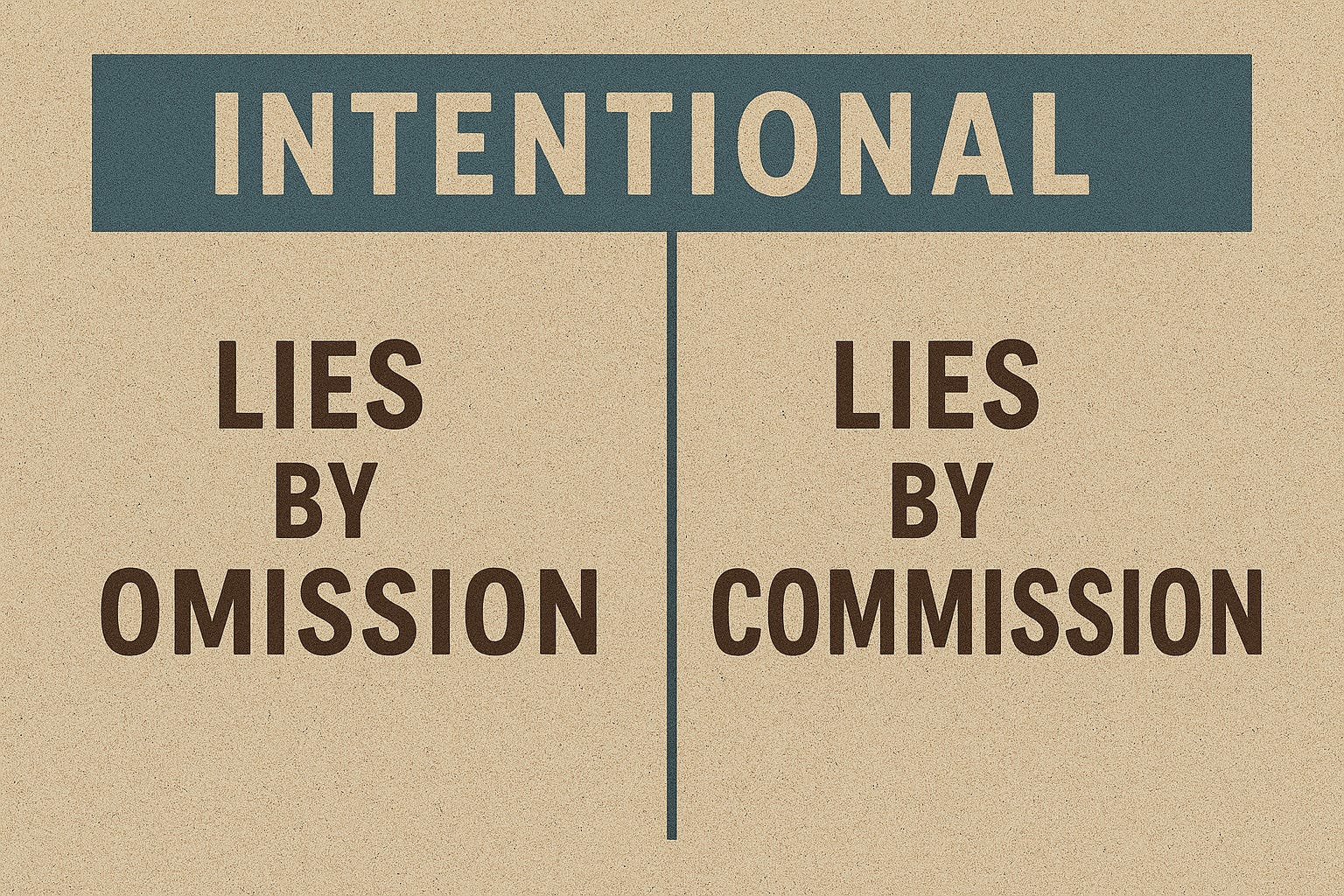
There are two kinds of lies:
By commission – saying something false
By omission – holding something back
And make no mistake – withholding is lying. If you know something, and you choose silence, that’s deception with a mute button.
And omission? It’s often worse – because it feels like trust betrayed without confrontation.
🧠 Section 6: "The Logic Layer"
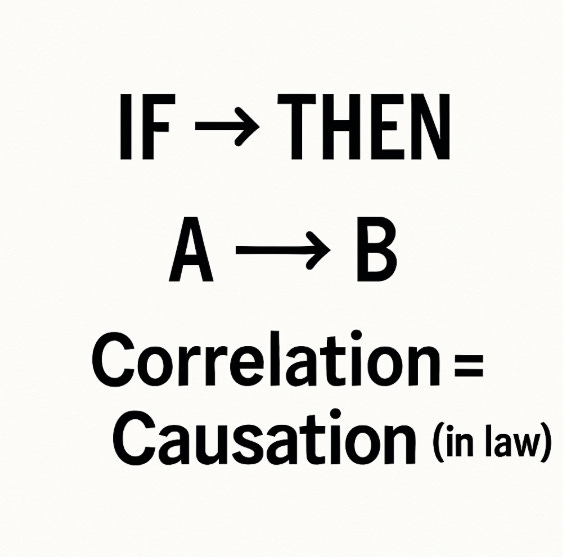
Let’s get technical for a second.
In law, correlation is causation. It’s called probable cause. In logic? Not quite.
That’s where people get fooled:
They mistake narrative consistency for factual accuracy.
They confuse plausibility with truth.
[Quote drop: “We do not seek to uncover the lie; we seek to find the truth.”]
And to find truth, you don’t ask “is this a lie?” You ask:
“Does this stand without scaffolding?”
🤖 Section 7: "Neuro-Linguistic Truth Transmission"
I use NLP – Neuro-Linguistic Programming. I talk to people and tell them the truth.
But they only doubt me if they don't trust themselves. That’s the trick.
I don’t fool people – I give them unfiltered data. They fool themselves if they can’t accept it.
And unless I correct you, you leave thinking it was your idea all along.
🧩 Section 8: "Final Truth Test"
So, when someone speaks:
Trust. Let them give you everything.
Map the structure. Follow the steps – or the skips.
Look for the packaged truth hidden inside the pitch.
Remember: A good lie is a sandwich of bullshit with a thin layer of truth meat in the middle.
And that’s why truth – raw and unfiltered – can feel suspicious to people raised on lies.
🎯 Closing – Takeaway

Lies are thick. Truth is thin. Lies are structured. Truth is immediate.
Train your mind not to spot the lie – Train it to feel the flow of truth.
And maybe next time someone hands you a shiny packaged story… You’ll open it up – and check the meat inside.
✅ Call to Action
Want to learn how to decode deception, frame truth, and build trust-based logic in real-time? Subscribe. We’re just getting started.
